How to Choose the Best Water Bottles for Hiking and Travel
Author:Tyler Work
|
Released:March 9, 2026
Dehydration on the trail causes severe muscle cramps, dizziness, and dangerous fatigue. However, relying on heavy, leaking, or poorly insulated water bottles only adds to the frustration of your trek. Discover the exact engineering behind modern hydration gear and find the perfect vessel for your next outdoor expedition today.
Factors to Consider When Choosing a Water Bottle
1. Material
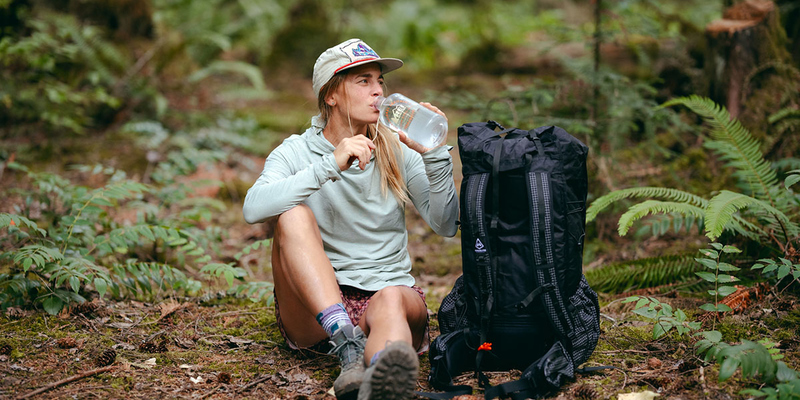
The choice of material is critical. Plastic bottles are lightweight and inexpensive but may retain odors and leach chemicals. In contrast, stainless steel bottles are sturdy and effective at maintaining beverage temperatures for hours, ideal for outdoor use. Glass bottles are eco-friendly and don't alter taste, but they can be fragile. Choose plastic for casual outings, stainless steel for temperature retention, and glass for everyday use when breaks are less likely.
2. Durability
Durability cannot be overlooked, especially in rugged environments. Look for bottles made from impact-resistant materials. Conducting a drop test can be helpful; reinforced seams and shatter-proof designs enhance toughness, ensuring your bottle withstands challenging conditions during adventures.
3. Insulation
Insulation is vital for maintaining your drink's temperature. Bottles with double-wall insulation retain heat or cold for longer durations, making them excellent for all-day hikes or road trips. This feature can help you enjoy hot coffee or refreshing cold water throughout your journey.
4. Lid Type
Lid type greatly affects usability. Screw-top lids are leak-proof but can be slow to access. Flip-top lids allow quicker access but may not seal as tightly. Straw lids are perfect for quick sips during a workout or on the go. Choose the one that best matches your activities.
5. Capacity
Capacity is key and depends on your hydration needs. Bottles commonly range from 500ml to 1-2 liters. While larger bottles are better for long hikes, smaller ones are more portable for day trips. Always select a size that supports your planned activity duration.
6. Weight
Weight is crucial, especially during long hikes. Try to find bottles that balance capacity with lightweight design. A bottle that is too heavy can become cumbersome, while one that is too light might not adequately serve your hydration requirements.
Top 10 Water Bottles for Hiking and Travel
1. Nalgene Tritan Wide Mouth
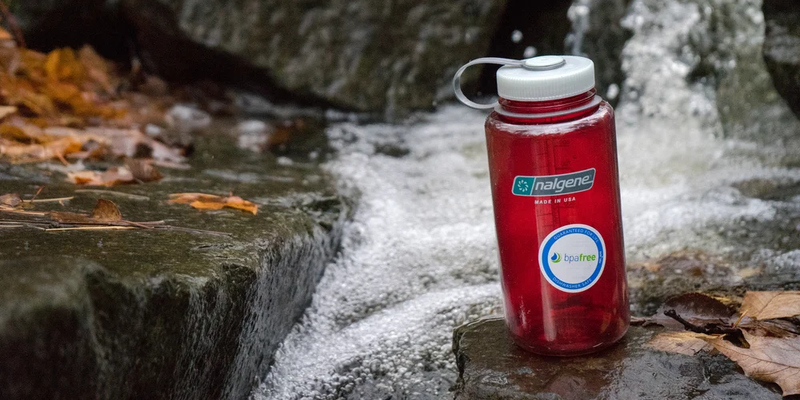
Material: Impact-resistant co-polyester plastic.
Durability: Extremely high against drops.
Insulation: No.
Cap Type: Wide mouth with tether.
Capacity: 32 ounces.
Weight: 6.25 ounces. Ideal
Users: Long-distance backpackers requiring extreme temperature tolerance for freezing or boiling water.
Reason to Buy: The lightweight profile offers reliable fluid storage with zero moving parts. The wide opening allows easy cleaning and ice insertion, ensuring consistent performance for traditional backpacking.
2. Hydro Flask Standard Mouth
Material: 18/8 food-grade stainless steel.
Durability: High impact resistance.
Insulation: Yes, double-wall vacuum.
Cap Type: Flex cap with strap.
Capacity: 21 ounces.
Weight: 11.3 ounces. Ideal
Users: Day hikers needing temperature regulation in moderate climates.
Reason to Buy: Excellent thermal retention keeps cold liquids chilled for 24 hours and hot liquids warm for 12 hours. It provides reliable temperature control without external condensation, perfect for daily trips.
3. Yeti Rambler
Material: Heavy-duty stainless steel.
Durability: Exceptionally high.
Insulation: Yes, double-wall vacuum.
Cap Type: Chug cap with shatter-resistant spout.
Capacity: 26 ounces.
Weight: 18.5 ounces.
Ideal Users: Base camp setups, vehicle travel, and short day trips.
Reason to Buy: It offers maximum structural integrity against dents and punctures, making it dependable for stationary camping. The heavy weight profile makes it better suited for travel rather than long-distance trekking.
4. Platypus Platy 2L
Material: Collapsible BPA-free plastic.
Durability: Moderate puncture resistance.
Insulation: No.
Cap Type: Standard screw top.
Capacity: 68 ounces.
Weight: 1.3 ounces.
Ideal Users: Ultralight backpackers and thru-hikers needing scalable water storage that packs flat.
Reason to Buy: This bottle offers a massive volume-to-weight ratio. The ultralight footprint allows hikers to transport large water quantities across dry stretches while occupying zero space in a pack when fully compressed.
5. CamelBak Chute Mag
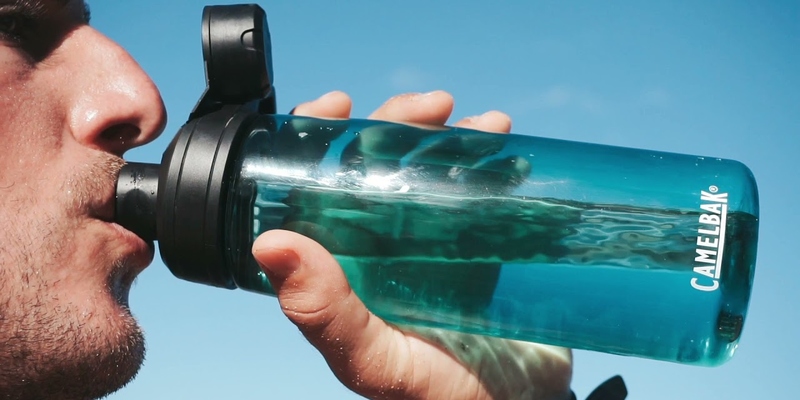
Material: BPA-free hard plastic.
Durability: High drop resistance.
Insulation: No.
Cap Type: Magnetic stow cap with high-flow spout.
Capacity: 32 ounces.
Weight: 6 ounces.
Ideal Users: Active trail hikers requiring rapid, one-handed hydration while moving.
Reason to Buy: The magnetic cap system securely holds the lid away from the face during use. It facilitates efficient fluid intake and offers solid daily utility for urban travel and trail use.
6. Klean Kanteen Classic Single Wall
Material: Single-wall stainless steel.
Durability: High dent resistance.
Insulation: No.
Cap Type: Sport cap with silicone spout.
Capacity: 27 ounces.
Weight: 7.2 ounces.
Ideal Users: Survivalists and wilderness trekkers prioritizing multi-functional utility gear.
Reason to Buy: The uninsulated metal construction permits direct boiling over an open fire for emergency water purification. It provides a critical survival utility alongside daily hydration functions for off-grid outdoor exploration.
7. Vapur Eclipse
Material: Three-ply flexible plastic.
Durability: Moderate tear resistance.
Insulation: No.
Cap Type: Flip cap with rigid bite valve.
Capacity: 34 ounces.
Weight: 1.4 ounces.
Ideal Users: Commuters, trail runners, and frequent flyers needing packable secondary fluid storage.
Reason to Buy: It stands upright when full and rolls down tightly when empty. This extreme weight reduction is ideal for air travel, while the carabiner clip makes attachment to daypacks easy.
8. Snow Peak Titanium Kanpai
Material: Titanium alloy.
Durability: Extremely high.
Insulation: Yes, vacuum sealed.
Cap Type: Multi-cap storage system.
Capacity: 18.3 ounces.
Weight: 6.3 ounces.
Ideal Users: Serious ounce-counting mountaineers demanding thermal retention without the heavy weight penalty of steel.
Reason to Buy: It delivers the maximum strength-to-weight ratio available. Combining vacuum insulation with an ultralight titanium profile, it is highly suitable for demanding high-altitude climbing and extended outdoor expeditions.
9. Katadyn BeFree
Material: Polyurethane soft flask.
Durability: Moderate puncture risk.
Insulation: No.
Cap Type: Nozzle with integrated hollow fiber filter.
Capacity: 33.8 ounces.
Weight: 2.3 ounces.
Ideal Users: Backcountry hikers relying on natural water sources along the trail.
Reason to Buy: The built-in hollow fiber technology instantly filters bacteria and cysts at a fast flow rate of two liters per minute. It eliminates the need for separate pumps, making it essential for backcountry water sourcing.
10. Thermos Intak
Material: BPA-free co-polyester plastic.
Durability: High shatter resistance.
Insulation: No.
Cap Type: Push-button lid with rotating intake meter.
Capacity: 24 ounces.
Weight: 6.5 ounces.
Ideal Users: Fitness travelers and high-altitude trekkers monitoring strict daily hydration goals.
Reason to Buy: The ergonomic design features an integrated rotating meter on the cap to accurately measure intake volume. This allows users to track proper hydration metrics and prevent fatigue during steady hikes.
Master Your Hydration Strategy
Aligning a water bottle's thermal mass, material density, and cap flow rate to your specific expedition directly prevents physical fatigue and ensures proper hydration. Choosing the correct material minimizes unnecessary pack weight, while the proper flow rate guarantees sustained fluid access without breaking your walking cadence. Check your backpack's current inventory, choose the right gear for your next environment, and start walking.
Related Posts
Outdoor Gear
Hiking Sock Materials Compared: Merino Wool Vs Synthetic Blends

Outdoor Gear
Why Your Hiking Boots Are Giving You Blisters (And How to Fix It)

Guides and Tips
How To Choose The Perfect Backpack For Long Hikes Without Pain Or Regret
Destinations
Best Mountain Hikes in New Zealand for First-Time Visitors

Guides and Tips
Best Nutrition And Snacks For Long Hiking Trips That Keep You Moving Longer

Guides and Tips